Irrespective of how much time you spend on your personal finances, or how much you earn or spend or save .. you should have a financial plan as soon as you get independent and start earning. Or at-least when you start a family.
I have seen people worrying much about small things, while not giving adequate attention to the long term goals. I remember discussing with a colleague who keeps tracking each and every penny that he spends on what ever he does. I don't say it's completely waste, but does it really have ROI? beyond some analytics on top of that data and an exact total you spend every month - what else does an individual get?
I would rather suggest to worry about bigger things like
There are always two ways you can approach your investments
I have seen people worrying much about small things, while not giving adequate attention to the long term goals. I remember discussing with a colleague who keeps tracking each and every penny that he spends on what ever he does. I don't say it's completely waste, but does it really have ROI? beyond some analytics on top of that data and an exact total you spend every month - what else does an individual get?
I would rather suggest to worry about bigger things like
- how much money do you need to retire?
- when do you actually want to retire?
- what are your recurring goals?
- do you need a term insurance?
- does your family needs a health cover?
- what are the key skills you have and how you can leverage them?
- and so on ..
There are always two ways you can approach your investments
- Income - expense = savings
- Income - savings = expense
- Make some assumptions about the following - your date of retirement, the amount you want to retire with, rate of inflation, %age return on your savings. etc.
- Start with your Networth
- And then cashflow statement
- Determine your goals, how much you need by when for what?
- And start measuring, do you save and invest enough to take you there?
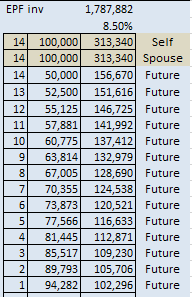
Here is an excel that can help you with this basic exercise.